10 articles from NPR World, BBC Science, The Guardian Science, NASA and 4 more.
News Clarion synthesisAcross 8 sources
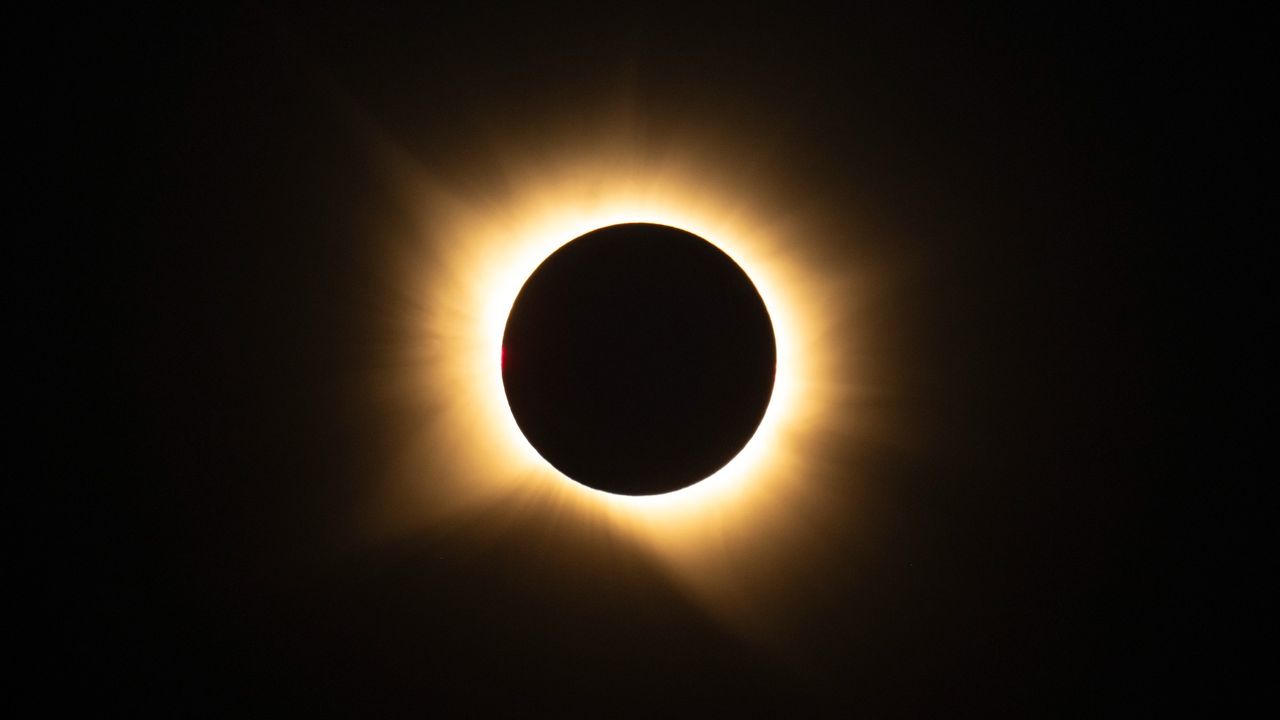
On August 12, 2026, a total solar eclipse swept across Greenland, Iceland, and Spain, with a path of totality also touching northeastern Portugal, while surrounding areas of Europe experienced a partial eclipse. Spain experienced its first total solar eclipse in over a century, drawing millions of people to viewing locations across the continent. The eclipse plunged parts of Europe into darkness as the Moon completely blocked the Sun, with crowds breaking into applause and cheers at the celestial event. The phenomenon was also partially visible across Africa, where countries like Tunisia saw significant portions of the Sun obscured.
AI-generated summary of 10 source articles. Not original reporting — every claim links to its source below.
How outlets framed it
4 angles
Audience reactions and spectacle
Several outlets led with the emotional impact on viewers—crowds cheering, applause, crowds being dazzled or mesmerized. This framing emphasizes the human experience and shared awe of the moment.
NPR World · BBC Science · CBS News · Space.com
Geographic scope and path details
Multiple outlets foregrounded the eclipse's trajectory across multiple regions and the extent of visibility across Europe, Africa, and beyond. This angle treats the event as a continental or global phenomenon rather than focusing on Spain alone.
The Guardian Science · NASA · France 24 · CBS News
Visual documentation and photography
Several outlets organized their coverage primarily around images and visual records, framing the event as a photo opportunity and emphasizing the aesthetic capture of the eclipse.
NPR World · The Guardian Science · Time · New Scientist · Euronews · CBS News · Wired · The Atlantic · Space.com
Historical rarity for Spain
A few outlets emphasized that this was Spain's first total solar eclipse in over a century, treating the event as a historic milestone for the country specifically.
NPR World · Euronews · Wired
AI analysis of how 8 publishers framed this story, based on their headlines and summaries. A description of the coverage, not a judgement of any outlet.
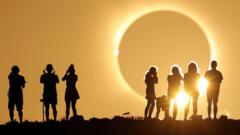
Millions of people in Europe stepped outside Wednesday to watch a spectacular sunset with a solar eclipse. The path of totality passed through portions of Greenland, Iceland, Spain and Portugal.
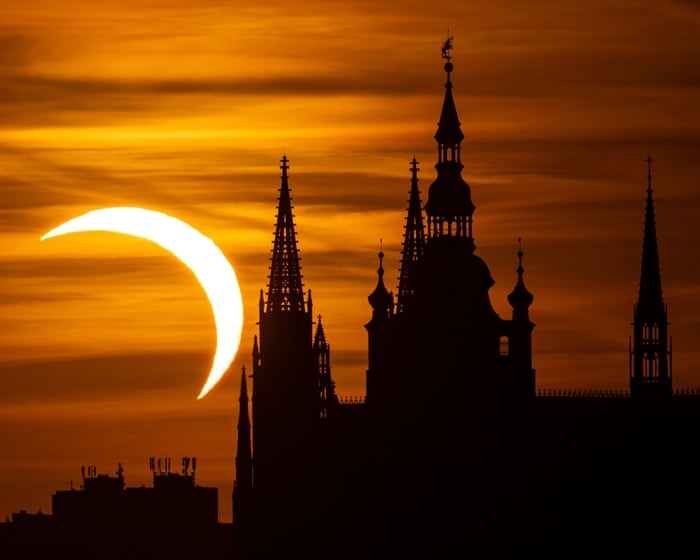
A total solar eclipse swept across parts of Europe and the North Atlantic on 12 August, with the path of totality moving through Greenland, Iceland, Spain and a small section of north-eastern Portugal, while surrounding areas across Europe experienced a partial solar eclipse,…
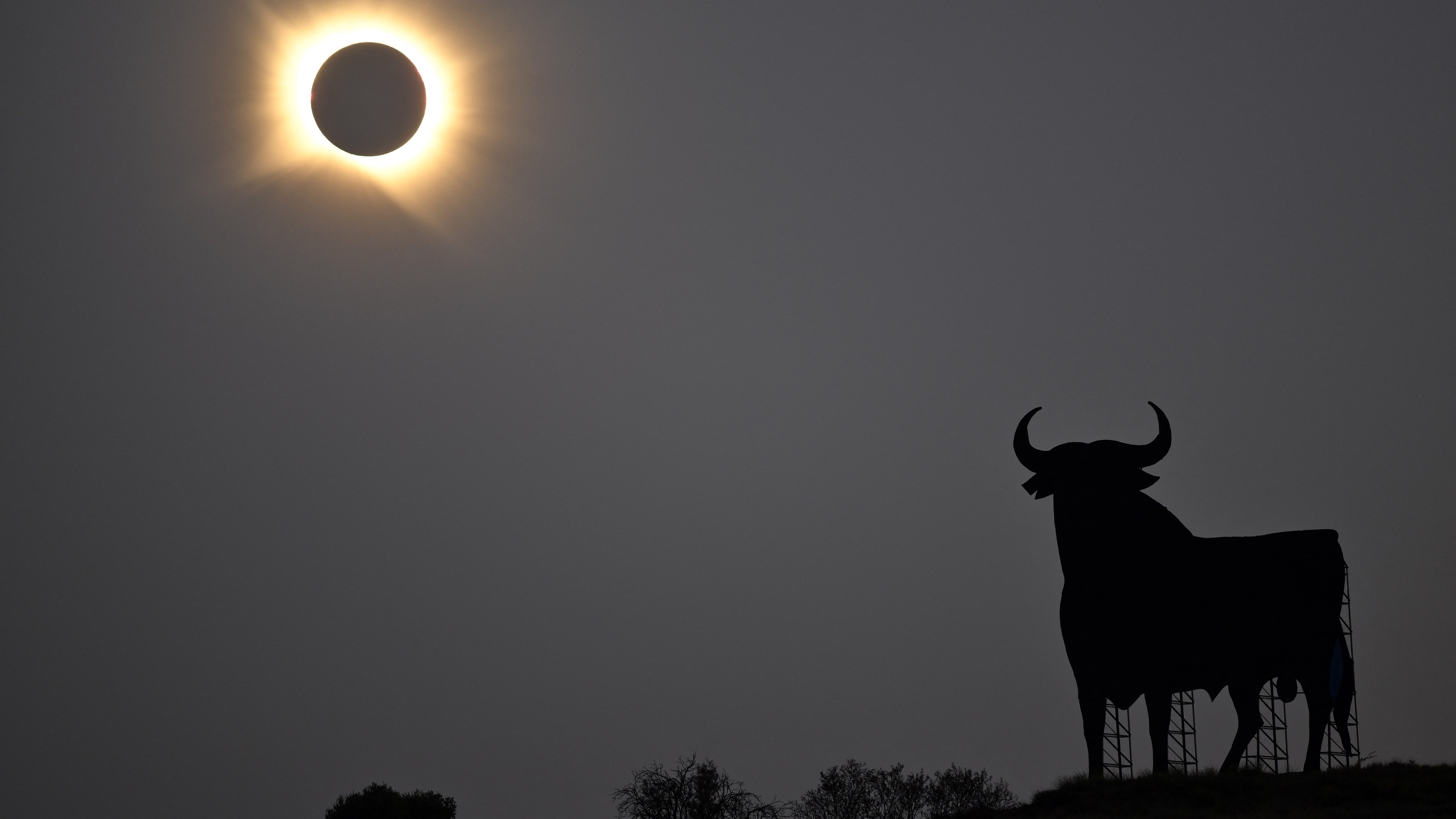
A total solar eclipse is seen from San Millán de los Caballeros, Spain, Wednesday, Aug. 12, 2026. A total solar eclipse – the Moon passing between the Sun and Earth, completely blocking the face of the Sun – swept across parts of Greenland, Iceland, northern Russia, the Atlantic…
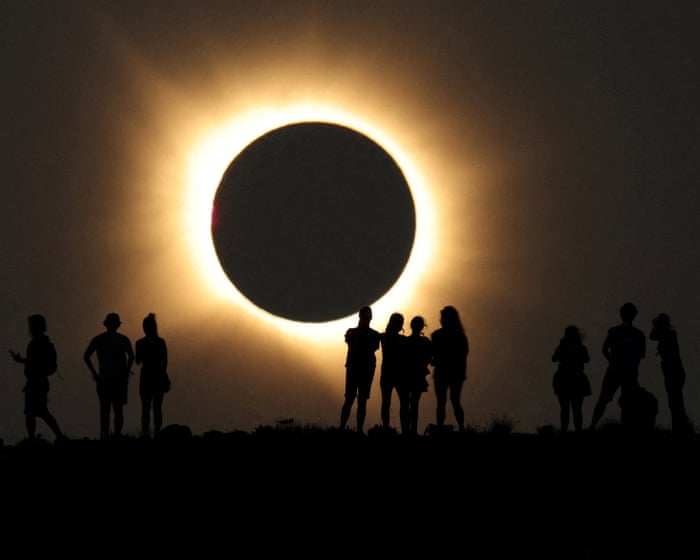
Beginning in Russia’s remote Arctic north, the eclipse traced an arc over much of western Europe – with the best views in Spain, Iceland and Greenland It was a moment of awe shared by millions across Europe: an eclipse that blocked out the sun, plunging parts of the continent…
The only total solar eclipse of 2026 crossed the Northern Hemisphere Wednesday, with a path of totality across parts of Greenland, Iceland and northern Spain. See photos and video from the best viewing locations.
In Western Europe, millions of people looked into the sky, hoping to witness today’s total solar eclipse as the moon’s shadow swept over them, briefly turning day into night.
A total solar eclipse wowed skywatchers on Aug. 12, 2026 as it arced across Greenland, Iceland and Spain. Here are our favorite photos and videos from the event.