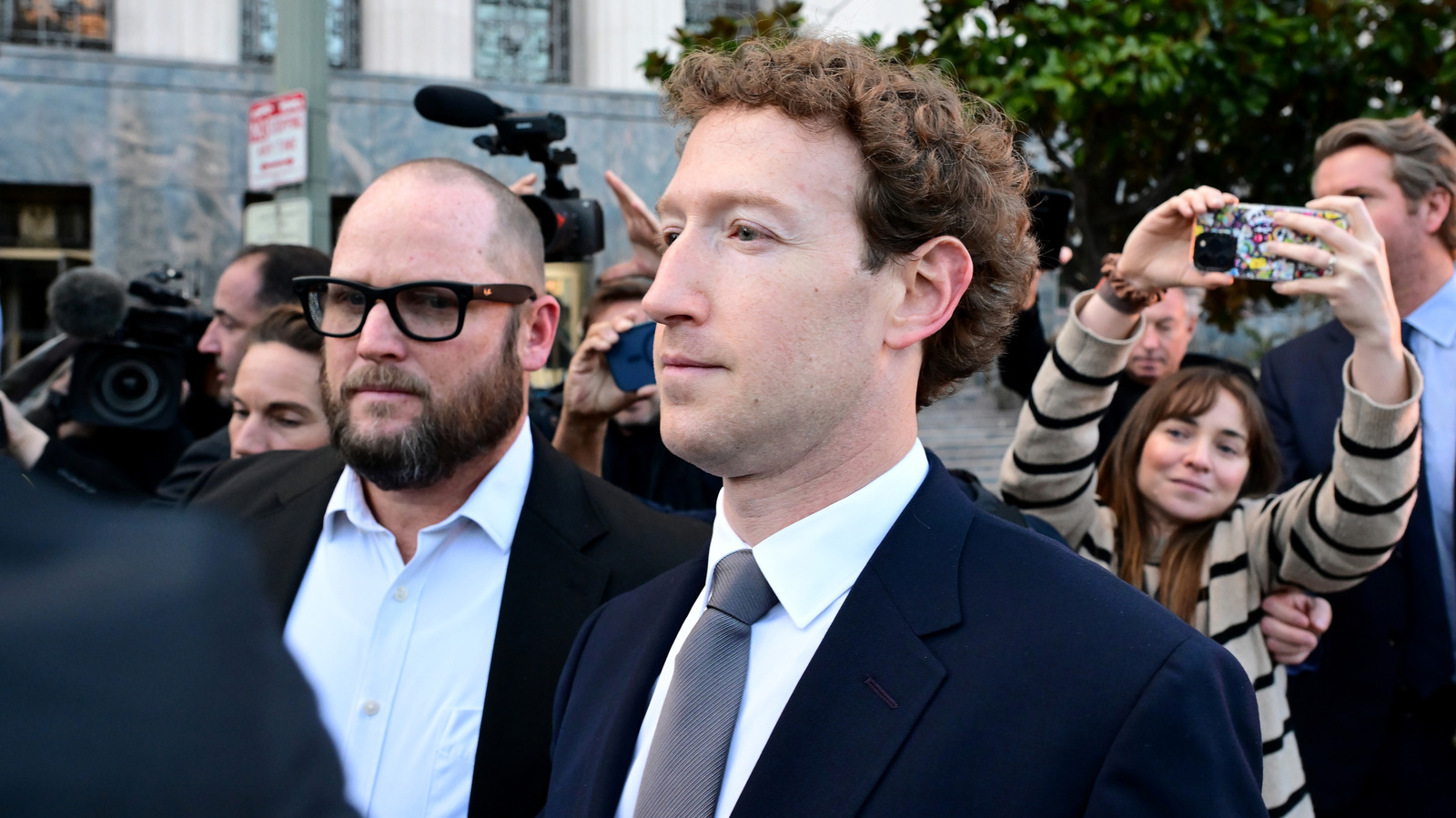
Meta faces a $1.4 trillion reckoning in latest trial over social media addiction
Dozens of states accuse the company of violating the Children's Online Privacy Protection Act.
1 article from Engadget.
A federal trial against Meta began in California with four states accusing the company of deliberately designing Facebook and Instagram to addict children to its platforms and misleading the public about the risks. Twenty-nine US states have joined the lawsuit seeking billions in damages, claiming Meta's products harm children's mental health. Meta rejected the allegations, arguing that social media addiction does not exist. The case is considered landmark because it involves states rather than individuals suing, potentially having broader regulatory implications for how social media companies operate.
AI-generated summary of 1 source articles. Not original reporting — every claim links to its source below.
Multiple outlets lead with Meta's alleged intentional design to hook children, emphasizing the addiction mechanism and feature engineering as the central claim. This framing treats the trial as fundamentally about deliberate product manipulation rather than broader harms.
PBS NewsHour · NPR Business · The Hill · Los Angeles Times · France 24
Some outlets emphasize the mental health impact and youth mental health crisis as the primary framing, positioning the trial as addressing emotional and psychological damage to children rather than addiction mechanics alone.
Al Jazeera · CBS News · Euronews
A few outlets lead with the massive financial figures ($200bn) and comparison to historical suits like tobacco litigation, emphasizing the trial's scale and potential for precedent-setting regulatory impact.
The Guardian · Euronews
Some coverage emphasizes Meta's alleged lying or concealment—that the company knew the dangers but misled the public—rather than focusing primarily on the design mechanisms themselves.
BBC Business · NPR Business · The Hill · The Straits Times
AI analysis of how 1 publishers framed this story, based on their headlines and summaries. A description of the coverage, not a judgement of any outlet.
Dozens of states accuse the company of violating the Children's Online Privacy Protection Act.