Trump signs new orders targeting birthright citizenship
18 articles from The Guardian World, The Guardian, BBC World, NPR and 10 more.
News Clarion synthesisAcross 14 sources
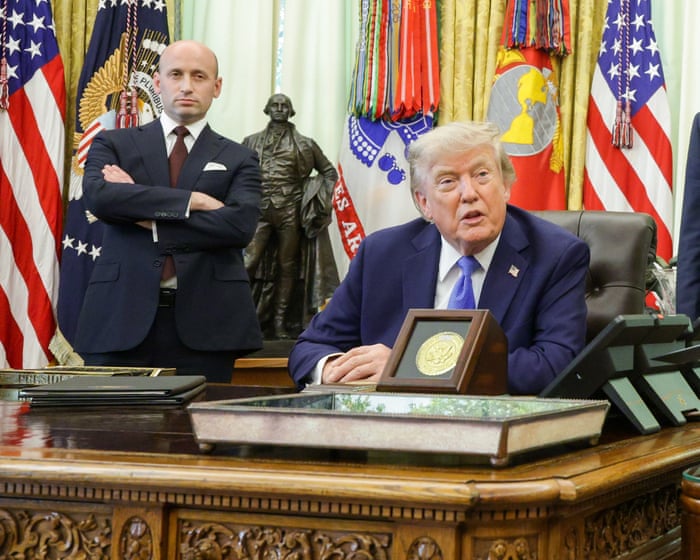
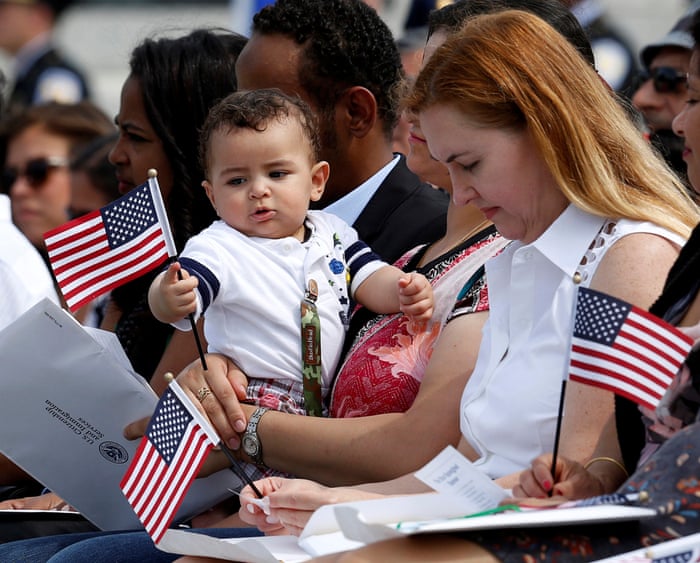
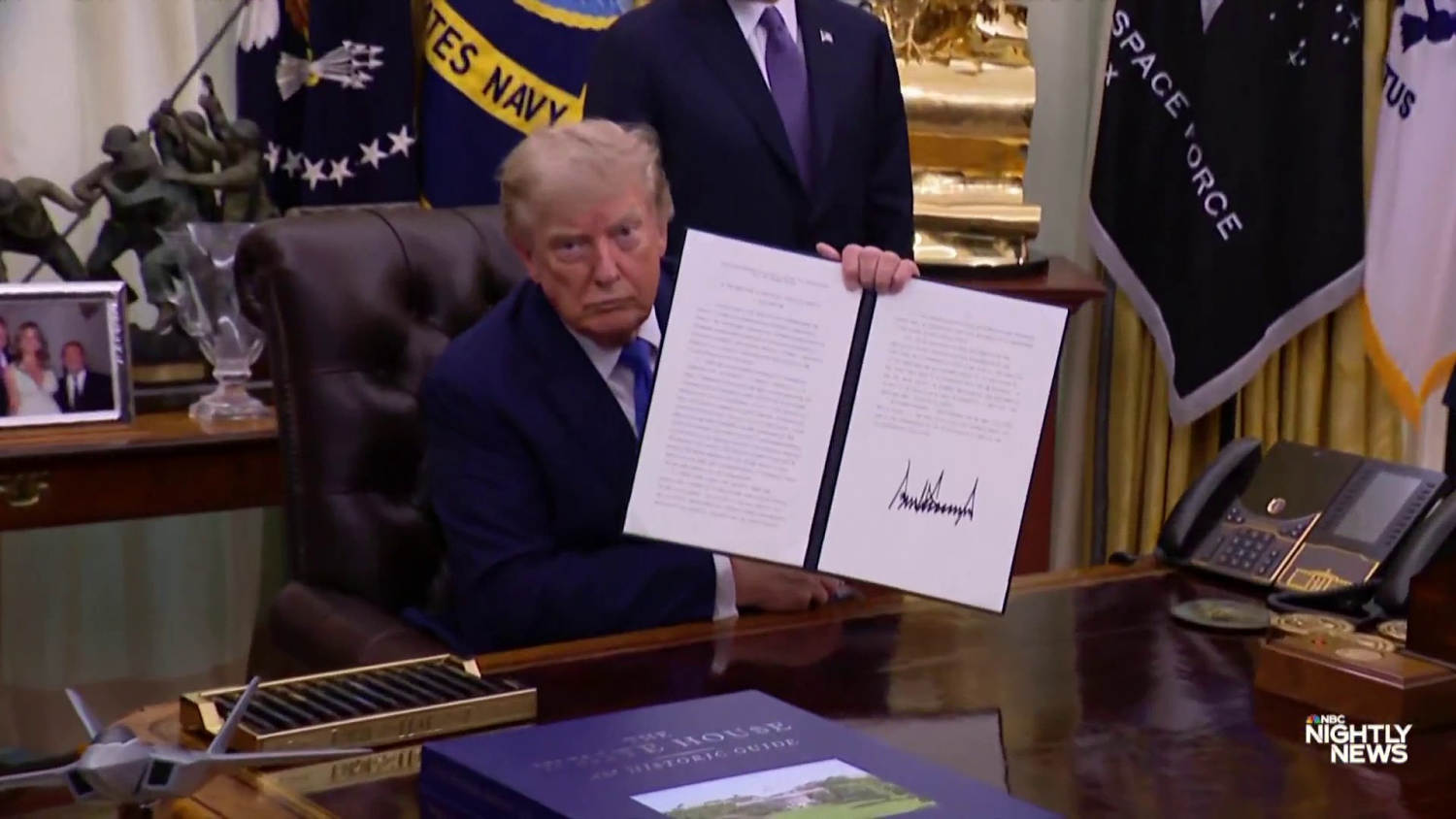
President Donald Trump signed new executive orders Thursday targeting birthright citizenship, including measures to ban birth tourism and expand the definition of people ineligible for birthright citizenship. This represents a second attempt to restrict the constitutional guarantee after the Supreme Court rejected his previous effort in June. The orders are narrower in scope than the earlier executive order that was struck down, though Trump called the Supreme Court's decision "very unfair" and the ACLU said the new orders are doomed to fail in court.
AI-generated summary of 18 source articles. Not original reporting — every claim links to its source below.
How outlets framed it
3 angles
Legal constitutionality and court challenges
Several outlets led with questions about whether the new orders would survive legal scrutiny, emphasizing the constitutional questions and prior Supreme Court rejection. This framing prioritizes the legal/procedural dimension over the policy substance.
CBS News · NBC News · The Guardian World
Specific policy mechanics of birth tourism
A subset of outlets led with the particular mechanism of the orders—banning birth tourism and restricting access for pregnant visitors—rather than the broader birthright citizenship goal. This frames the story around concrete restrictions rather than constitutional principle.
BBC World · NPR · Al Jazeera · France 24 · The Straits Times
Trump's persistent fixation on the issue
Some coverage emphasized Trump's repeated attempts despite prior defeat, casting the action as part of a long-running obsession or campaign priority. This frames it as pattern behavior rather than a discrete policy announcement.
The Guardian World · Los Angeles Times · Japan Times
AI analysis of how 14 publishers framed this story, based on their headlines and summaries. A description of the coverage, not a judgement of any outlet.
This live blog is now closed. Trump signs new orders targeting birthright citizenship Sign up for the Breaking News US email One quick note on the contempt resolution: Senator Rand Paul may try to send it straight to the Department of Justice, since advancing it in the Senate…
For more than a decade, president has been fixated on trying to undermine a key constitutional right With a pair of executive orders on Thursday, Donald Trump has tried – once again – to undermine the guarantee of birthright citizenship, a right enshrined in the US constitution…
Orders come after supreme court rejected president’s first bid to restrict guarantee enshrined in US constitution Donald Trump has made a second attempt to restrict the constitutional guarantee of birthright citizenship, just weeks after the US supreme court rejected his…
President Donald Trump said Thursday that he is once more trying to limit the number of people who are born in the country who can become American citizens, in a sign that even after his first attempt at limiting birthright citizenship was rejected by the Supreme Court, he's…
President Trump on Thursday signed two executive orders aimed at curbing birthright citizenship. In June, the Supreme Court struck down a broader executive order meant to end birthright citizenship. CBS News legal contributor Jessica Levinson has more.
President Trump on Thursday signed executive orders to limit birthright citizenship after the Supreme Court struck down his previous effort. CBS News legal contributor Jessica Levinson joins with analysis.
After his defeat at the Supreme Court, President Trump unveiled executive orders with narrower restrictions on birthright citizenship. The move is expected to face legal challenges. NBC News’ Gabe Gutierrez reports.
US President Donald Trump on Thursday signed an executive order targeting what he described as "birth tourism," seeking to curb birthright citizenship by restricting entry for pregnant visitors intending to give birth in the United States. Trump said the move followed the…